







Search Results for: carbonated coffee

How can you tell if coffee beans are fresh? Practical observation methods from bloom puffing, crema thickness to flow rate and aroma
Whether coffee beans are fresh can actually be judged by many clues during the brewing process. Roasted coffee beans accumulate carbon dioxide, which gradually escapes over time, and the amount of carbon dioxide directly affects the blooming puff, the thickness of espresso crema, the water retention of the coffee bed and the flow rate, and also leaves traces in the aroma performance. From the perspective of Front Street, this article sorts out three practical methods for judging the freshness of coffee beans, explains the influence of factors such as roast level and variety on crema, and recommends Front Street Classic Blend, an espresso bean with rich crema and a fragrant flavor, to help you judge and choose more reliably. [more…]
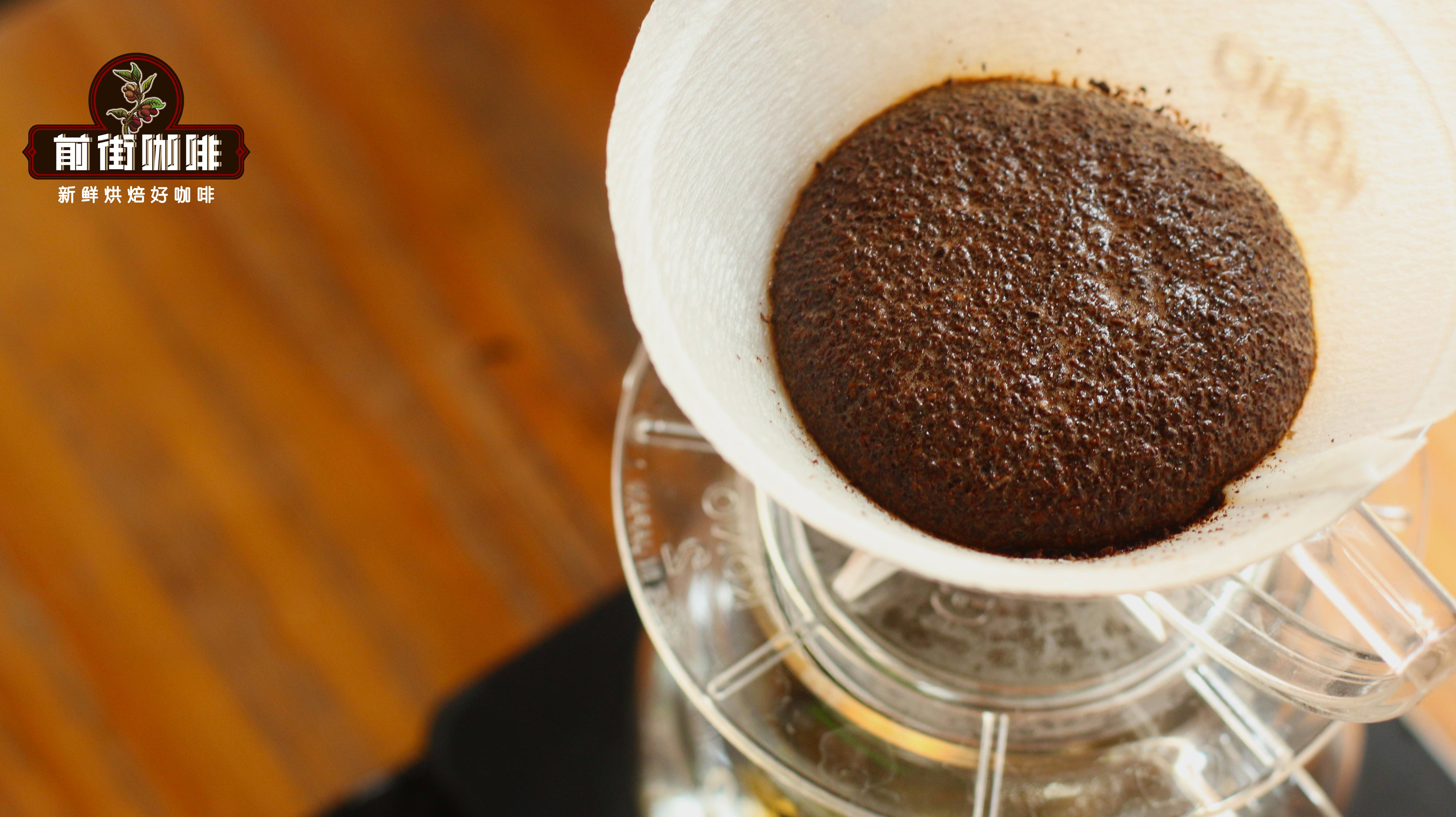
Why doesn't the coffee bed puff up during the bloom in pour-over? Understand the relationship between carbon dioxide and brewing parameters to easily achieve a full "hamburger" bloom
During a pour-over bloom, whether the coffee bed can puff up into a plump "hamburger" is a topic many enthusiasts care about. Some people use the same parameters yet always end up with a flat, deflated bed, and can't help wondering whether their bloom has failed. In fact, the principle behind the bed expanding isn't complicated: when coffee grounds contact hot water, they release carbon dioxide, and the bubbles accumulate within the bed, pushing it upward. Whether a pronounced dome forms mainly depends on the roast level and freshness of the coffee beans, as well as whether the brewing parameters are appropriate. Drawing on Front Street Coffee's brewing experience, this article breaks down the mechanism of bed expansion, explains the advantages of dark-roasted and fresh beans, while also cautioning about the extraction problems that overly fresh beans can cause, and offers recommendations on grind size, water temperature, and other parameters to help you read information about your coffee beans through the state of the bloom. [more…]
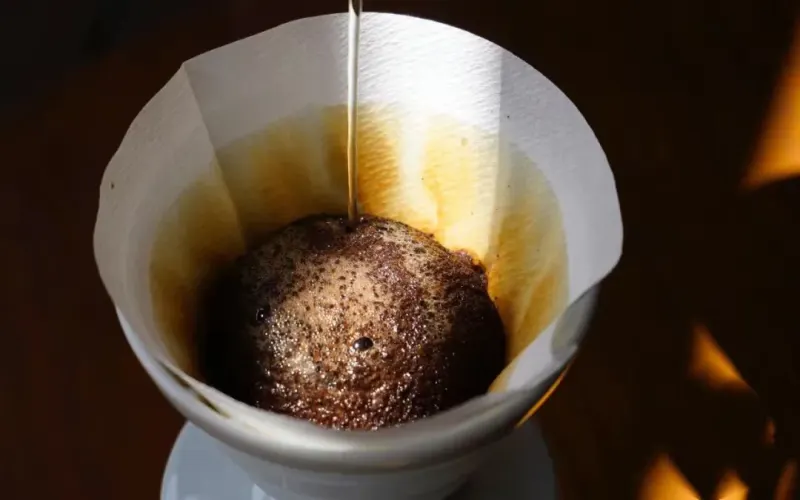
What affects the size of the bloom dome in pour-over coffee? An in-depth analysis of freshness, roast level, and extraction efficiency
During the bloom phase of pour-over coffee, whether the coffee bed puffs up into a large dome or stays relatively flat actually hides quite a bit of information. Although the degree of doming can't directly tell us whether the coffee tastes good, it can reflect the freshness of the coffee beans, the roast level, and the extraction efficiency during brewing. This time, Front Street Coffee will help everyone understand: why do some beans puff up like a balloon during the bloom while others stay flat and collapsed? What role does carbon dioxide play in this? Why do dark roasts and fresh beans puff up more? How do extraction parameters influence the degree of doming? Once you understand these things, you can read the bloom dome as a "bean status file" rather than mistakenly treating it as a standard for judging flavor quality. [more…]

Pour-over coffee knowledge | Why doesn't the coffee bed puff up during blooming? Does a single-origin bean that doesn't puff up mean poor quality? Does a bigger coffee bed puff mean the coffee is fresher?
Whenever Front Street brews a pour-over for a customer's order, if the coffee bed puffs up quite a bit during blooming, there's a good chance the customer will ask: "Why doesn't my coffee bed puff up this much when I brew?" This is a topic Front Street often discusses! Honestly, although the bloom [more…]

The Science of the Coffee Bloom in Pour-Over Brewing: How to Get a Full, Domed Coffee Bed
During the blooming phase of pour-over coffee, why do some coffee beds puff up into a plump "hamburger" while others stay flat and collapsed? Behind this lies the combined effect of three factors: carbon dioxide release, the roast level and freshness of the coffee beans, and the brewing parameters. Drawing on Front Street Coffee's brewing experience, this article first explains what causes the coffee bed to expand, then walks you through, step by step, how to use the right beans and parameters to achieve a beautiful domed bloom. It will also share how to infer information about coffee beans from the state of the coffee bed, bringing you one step closer to becoming a coffee master. [more…]

Analysis of Coffee Flavors from Carbonic Maceration: The Wine-Making Process and Operational Flow of CM Processing
Carbonic maceration processing, also known as the CM process, falls under the category of anaerobic processing. In 2015, Sasa won the World Barista Championship with this type of coffee bean, bringing this innovative technique into the public eye. The method was inspired by red wine making, achieving fermentation by injecting carbon dioxide into a sealed stainless steel tank. The CM process has two versions, natural and washed, differing in the material fermented inside the tank. This article provides a detailed analysis of its flavor characteristics, processing flow, and key control parameters, along with related product recommendations from Front Street Coffee. [more…]

Why Moka Pots and Espresso Machines Produce Thin Crema: The Nature of Crema, Carbon Dioxide, and Pressure Explained
Many friends who use moka pots or espresso machines run into the problem of thin crema in their espresso. In fact, what we call "coffee oil" isn't real oil at all, but an emulsion-like foam called crema, formed when coffee lipids wrap around carbon dioxide bubbles. Two core factors affect how rich the crema is: the carbon dioxide content of the coffee beans themselves, and the pressure applied during extraction. Carbon dioxide content depends on roast level and freshness, while pressure is closely tied to dose and grind size. This article breaks down the reasons for thin crema one by one, explains why the amount of crema doesn't directly equate to coffee quality, and recommends Front Street Coffee beans suited to moka pots and espresso machines, helping you adjust your extraction approach accordingly. [more…]

Why is it not recommended to have espresso beans ground by the roaster? The deep impact of carbon dioxide loss on espresso extraction and crema
Many coffee bean merchants offer grinding services, including Front Street Coffee, but for espresso extraction, Front Street Coffee does not recommend choosing pre-ground coffee. The reason is not just that the flavor is lost more quickly, but more critically, the carbon dioxide in the coffee beans dissipates in large amounts. Carbon dioxide plays an important role in espresso extraction by building crema and slowing down the flow rate. Once ground into powder, flavor and gases escape more rapidly, the crema becomes thinner day by day, the extraction speed increases, and it can even lead to under-extraction. At this point, the only remedies are adding more coffee or adjusting to a finer grind, but the portafilter basket has limited capacity, leaving very little room for adjustment. This article provides a detailed analysis of the specific effects of pre-ground coffee on espresso extraction, and recommends that those who have requirements for taste and crema prioritize whole beans. [more…]
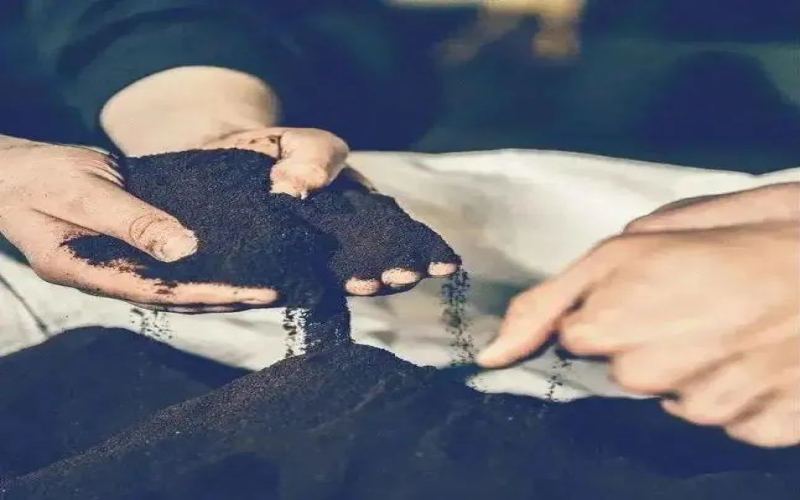
Coffee Grounds Drive Coffee Roasting: Japanese Company Teams Up with University to Develop Biochar Fuel, Claims Zero Carbon Emissions
As the most common waste product in coffee shops, coffee grounds generate over 8 million tons globally each year, and their disposal not only consumes energy but also pollutes the environment. Over the past decade, researchers have continuously explored ways to reuse coffee grounds, from blended fuels to eco-friendly boards, from clothing fabrics to food utensils, coffee grounds are transforming into a new eco-friendly favorite across multiple industries. A Japanese coffee roasting company has teamed up with a research team from Kindai University to develop a biochar fuel made from coffee grounds, and claims that the carbon dioxide released during combustion can be offset by the amount absorbed during the growth of coffee plants, thereby achieving zero carbon dioxide emissions. This "fighting magic with magic" environmental approach—how exactly is it achieved? [more…]
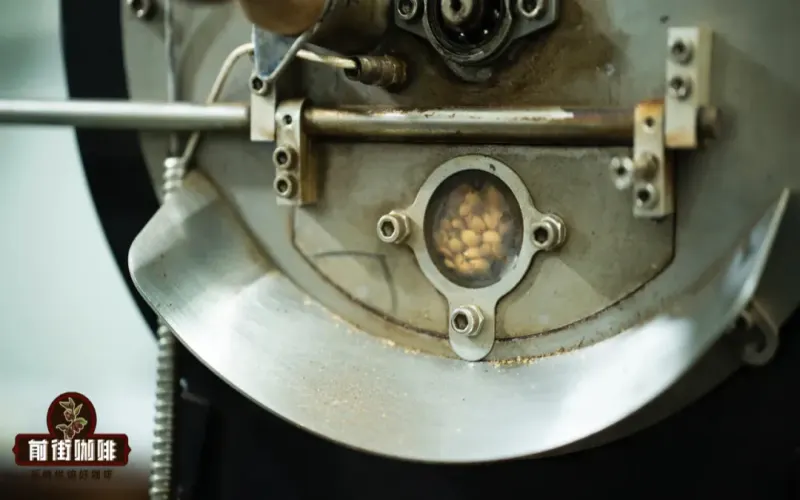
What exactly is coffee bean resting? A detailed explanation of the degassing principle and how to determine the optimal flavor window
Many coffee enthusiasts have heard the saying that "resting beans improves the flavor," but the real purpose of resting is not to create new flavors—it is to let the carbon dioxide accumulated after roasting gradually escape, thereby reducing interference with extraction. The formation of coffee flavor mainly occurs during the roasting stage; once roasting ends, flavor development essentially stops, and from then on the beans continuously degas, entering the resting and peak-flavor stages. Only when carbon dioxide is released to the point where it no longer noticeably hinders the dissolution of flavor compounds does the coffee reach its optimal drinking window. So how long does resting actually take? Different roasting methods, roast levels, and roasting styles all affect the rate of degassing, which is why merchants' recommended resting periods range anywhere from 4 to 30 days. This article starts from the underlying principles and, drawing on Front Street Coffee's practical experience, teaches you how to find a bean's peak state through sensory tasting. [more…]

How Is Decaf Coffee Decaffeinated? Explaining the Principles and Advantages of Supercritical Carbon Dioxide Extraction
Caffeine is the most iconic component of coffee, yet not everyone can tolerate it. It is both the primary source of bitterness and a neurostimulant that affects sleep. Thus, decaffeinated coffee was created to remove caffeine. However, the challenge of decaffeination lies in how to remove only the caffeine while preserving the aroma and flavor of coffee as much as possible. Early methods using organic solvents were effective, but left consumers concerned about residues. It was not until the advent of supercritical carbon dioxide extraction technology that a truly efficient and highly selective decaffeination process was achieved. This article will guide you through the principles of this technology, its development history, and its unique advantages in coffee decaffeination, while also introducing Front Street Coffee's attention to and practice of this process. [more…]
Why Do Dark Roasts Need Longer Resting? Analyzing the Impact of CO₂ Release and Oil Migration on Espresso Extraction
Many coffee enthusiasts wonder: dark-roasted beans have a loose texture, so logically the rest period should be shorter—why does it actually require more time? This article approaches the question from two angles, carbon dioxide release and oil emergence, to explain the fundamental reason why the resting period for dark-roasted espresso beans is extended. Excess carbon dioxide interferes with stable extraction on an espresso machine, affecting crema quality and troubleshooting costs; whereas medium-dark roasted beans gradually release oil during storage, which can improve crema stability and coffee body. Front Street Coffee recommends resting medium-dark roasted espresso beans for about 10 days, with darker roasts extended depending on their condition. It also reminds readers that too much oil accelerates oxidation, so attention should be paid to sealed storage and timely consumption. [more…]

Milk tea shop "Black Coconut Strawberry Milk" investigated for illegal use of vegetable carbon black, food safety concerns resurface
In recent years, dark-themed beverages marketed for their "black" appeal have proliferated in the food and beverage market, attracting many curious consumers with their unique appearance. However, such products may harbor food safety risks. Recently, the Market Supervision Bureau of Xuhui District, Shanghai, discovered during an inspection of a milk tea shop that its "Black Coconut Strawberry Milk" was unusually dark black in color. An investigation confirmed that the staff had illegally added "vegetable carbon black" during preparation. This act violated food additive usage standards, and the shop was ordered to rectify the issue and was penalized. Notably, the brand involved is none other than "Benz Tea," which went viral last year, with its first Hangzhou store setting a record of thousands queuing and scalpers reselling cups for as much as 300 yuan. This incident once again reminds us that creative beverages must also strictly adhere to safety bottom lines. [more…]
How many days do coffee beans need to rest? A guide to handling overly fresh beans for pour-over and analyzing flavor changes
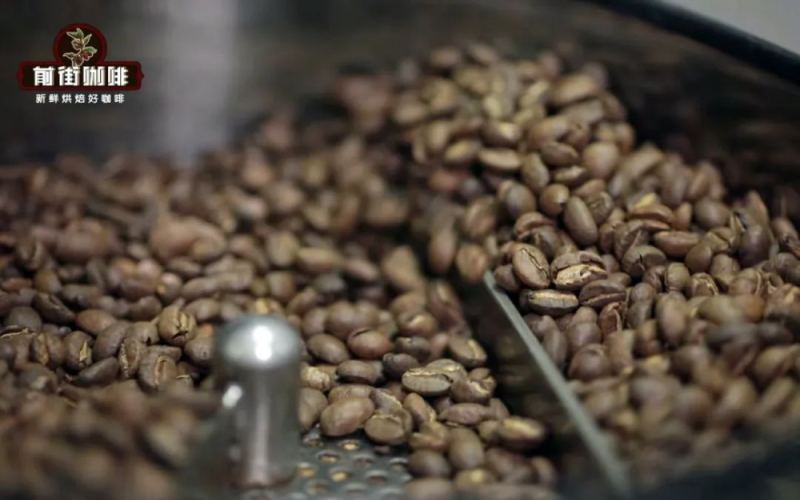
Freshly roasted coffee beans are not always better the fresher they are. Front Street Coffee points out that about 2% of the coffee bean's weight in carbon dioxide continues to be released after roasting, which both protects the flavor and hinders extraction. When coffee is too fresh, brewing tends to produce large bubbles, a harsh mouthfeel, and grassy, unripe flavors. For medium-light roasted beans, resting is recommended for 4-7 days, while medium-dark roasted beans need 7-10 days. This article explains in detail the double-edged sword effect of carbon dioxide, the flavor defects of fresh beans, and the resting times for coffee beans of different roast levels, helping coffee lovers find the optimal flavor window. [more…]
Ethiopia Yirgacheffe Kochere Region: Red Jade CM Natural Coffee Bean Flavor Analysis
The Yirgacheffe Kochere region in Ethiopia is famous for its high-quality coffee beans, and the Red Jade CM Select series launched by Origin Project uses carbon dioxide maceration combined with natural processing, delivering an unforgettable flavor performance. This article will take an in-depth look at the principles of the CM processing method, the terroir characteristics of the Kochere region, and the detailed flavor profile of Red Jade CM natural coffee beans. If you are interested in this bean, Front Street Coffee also has related recommendations. [more…]

Key Factors That Determine the Thickness of Espresso Crema: From Coffee Bean CO2 Content to Robusta Blending
In the espresso extraction process, the richness of the crema is often one of the key concerns for coffee enthusiasts. Some need it for latte art, while others are influenced by commercial promotion and often ask Front Street how to obtain a richer Crema. But what exactly is the essence of crema? Is more really better? This article will start from Front Street's perspective and provide a detailed analysis of the three core factors affecting espresso crema formation—the carbon dioxide content of coffee beans, the degree of roasting and freshness, and the special role of Robusta beans. It will also remind everyone that the thickness of the crema does not directly determine whether the taste is good or bad; the correct extraction parameters are the foundation. Whether you are pursuing latte art effects or simply want to understand the principles, this article can give you clear answers. [more…]
Hand-brew bloom not forming a dome? A full breakdown of the differences between dark and light roasts and the causes of coffee oils
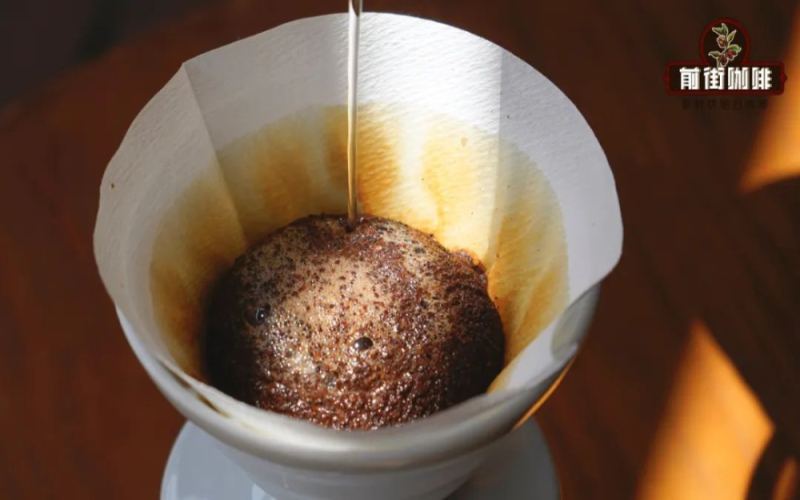
During the blooming phase of pour-over coffee, whether the coffee bed can rise into a full "hamburger" shape is a phenomenon many enthusiasts pay attention to. Some brewers get a towering burger, while others end up with a flat or even sunken "steamed bun." The key behind this lies in the amount of carbon dioxide stored in the coffee beans and how efficiently it's released. The freshness of the beans, extraction parameters, and roast level all directly affect how much the bed expands during blooming. At the same time, the amount of oil on the bean surface is closely tied to roast level. This article will start from the principles of blooming, break down the factors that influence burger formation one by one, and explain how light and dark roasts perform differently during brewing, helping readers take a more rational view of the blooming puff-up phenomenon. [more…]

Espresso Crema | What Is Crema in Espresso? What Coffee Information Can the Crema on an Espresso Reveal?
As is well known, the coffee extracted from an espresso machine is not only very rich and intense, but also comes with a layer of golden crema. Because this layer of crema gives the coffee a rich aroma and a smooth, dense mouthfeel, and is also a product unique to espresso, people often call it the soul of espresso. But... [more…]

The Secrets Behind Espresso Crema Thickness: Judging Coffee Bean Freshness and Extraction Timing from Crema Condition
The layer of golden-brown crema on the surface of an espresso is not just a visual pleasure—it actually carries important clues about the state of the coffee beans. Many friends who own espresso machines will notice that the crema extracted each time is sometimes thick and rough, and sometimes fine and thin. These differences are not accidental, but an external manifestation of changes in the carbon dioxide content inside the coffee beans. From the perspective of Front Street, this article guides everyone to understand the essential composition of crema, and to learn to judge whether the coffee beans are in their optimal flavor period by observing the thickness, fineness, and stability of the crema, so as to adjust the extraction plan in time and let every cup of espresso perform at its proper level. [more…]
Is It Feasible to Use Dry Ice Instead of Ice Cubes for Iced Pour-Over? A Comprehensive Analysis of Cooling Methods for Pour-Over Coffee
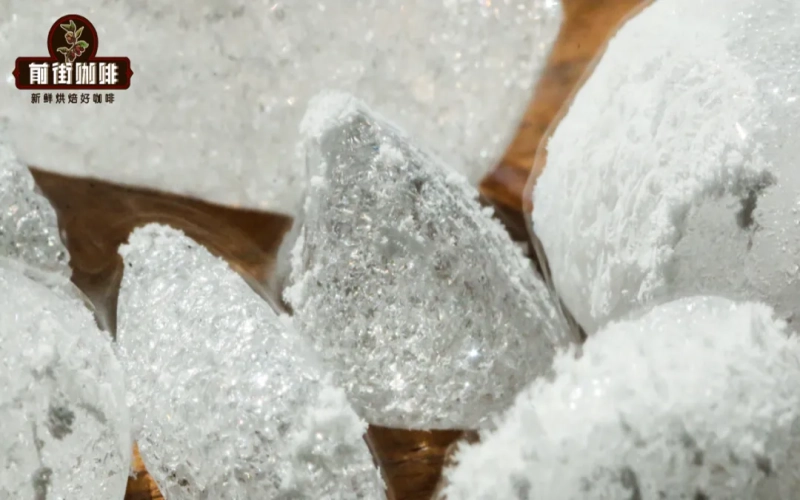
Iced pour-over coffee needs rapid cooling, but ordinary ice cubes melt and dilute the coffee's strength. Some friends suggested using non-melting stainless steel ice cubes, but that attempt failed; then someone else recommended dry ice, which cools quickly and doesn't cause dilution. Dry ice can indeed chill coffee rapidly without turning into water, but when it sublimates it releases carbon dioxide, which dissolves into the coffee and turns a cup of iced pour-over into carbonated coffee—essentially deviating from what's wanted. This article provides a detailed analysis of dry ice's physical properties, its everyday uses, and why it's unsuitable for making pour-over coffee, along with Front Street Coffee's key points from their dry ice experiments and a recommended bean list. [more…]